After Brazil Designations, Here's What Law Firms Want Clients to Know
Gina Parlovecchio, co-chair of the global investigations and white collar defense practice at Mayer Brown, said the firm has been counseling clients on how to deal with this new risk environment, including how to adapt their compliance programs, and in some cases assisting clients with government-facing investigations.
She noted that this "new enforcement landscape" really heightens the risk around those issues and has caused companies to put a renewed focus on some of those areas of potential risk.
"At first clients were curious, interested, but not feeling the sense of urgency given that they were already sensitive to these issues, but as we've seen more enforcement actions brought, and the U.S. government has been more proactive about bringing sanctions against entities...and a variety of other enforcement issues, I think people are taking this issue more seriously and being more proactive," Parlovecchio said.
What makes the designations so significant in Brazil is that PCC has potentially infiltrated hundreds otherwise legitimate companies, and they done it in a way that makes it unclear "to the outside world" that you could have exposures under the federal statute that bars providing material support to designated foreign terrorist organizations, her colleague Kelly Kramer, a partner at Mayer Brown, added.
When designations came out of Mexico, Kramer didn't get the sense that it was a "game changer for clients," but with Brazil, the Brazilian market, particularly the financial institution world, has had many concerns.
"PCC has infiltrated maybe more legitimate business than the cartels did even in Mexico. What that's done is created a situation where even the fund managers aren’t sure who's invested in their funds or where the money is coming from. We've seen multinationals who have basically called us and said, 'We have this FTO designation coming into place in a … week. We have to do something immediately...how do we get out of this situation that we find ourselves in,’” Kramer said. “That's a very challenging situation to be in.”
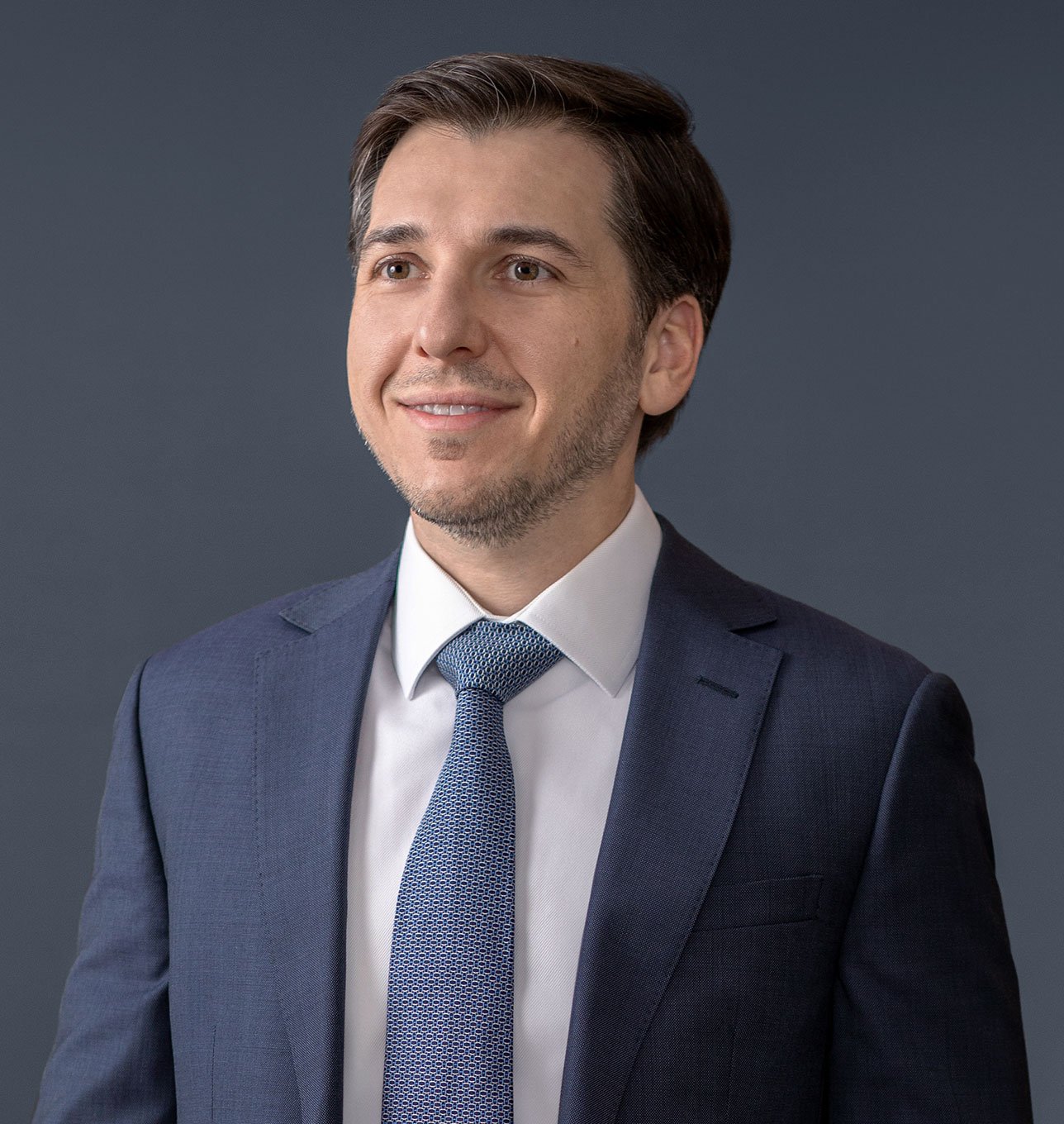
Michel Sancovski, an attorney at Mayer Brown based in Brazil and co-leader of the global investigations and white collar defense practice, agreed, noting that companies in Brazil are approaching the firm to better understand what improvements they should be doing so that they can identify any connections.
However, doing so is extremely difficult.
"This is how the PCC works. They initially appear to be legitimate, and during the course of a business relationship, they change or obscure ownership structures. A lot of companies, particularly multinationals, doing business in Brazil, are also extremely concerned with the reputational damage, which makes robust due diligence essential," Sancovski said.