Little Users, Big Rules: Tracking Children’s Privacy Legislation
Legislative and regulatory activity throughout 2025 and the beginning of 2026 reflects sustained federal and state attention on how children’s personal information is collected and used online and protecting children’s privacy and mental health. At the federal level, the Federal Trade Commission (FTC) published its Final Rule Amendments to the Children’s Online Privacy Protection Rule (COPPA) on April 22, 2025, and subsequently, on June 27, the US Supreme Court upheld a state law requiring age verification to access adult-content websites. Several states are also advancing legislation aimed at strengthening children’s privacy protections. Before delving into a more detailed discussion of this recent activity, the following developments help to provide important context:
- Texas’s Supreme Court Victory: The Court upheld Texas’s age-verification law for adult content sites, paving the way for similar state measures.
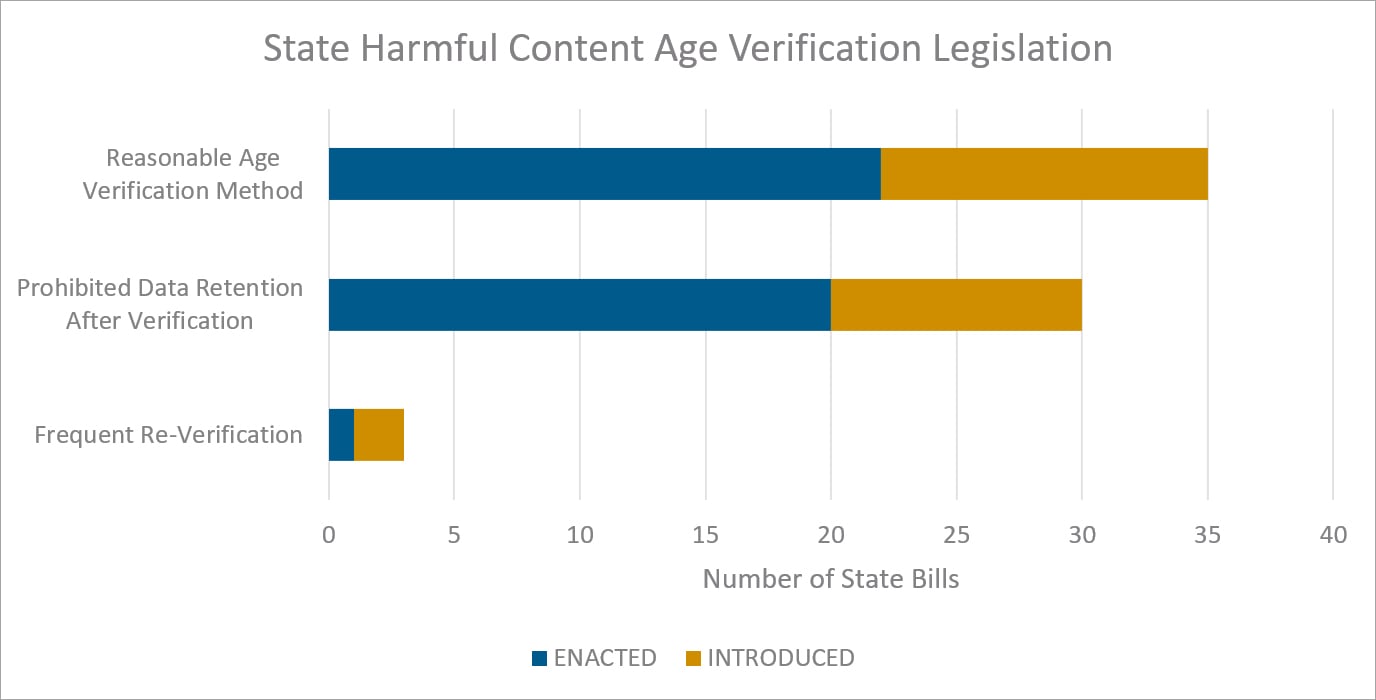
- Harmful Content Age-Verification: States are adopting site-level age-gating requirements for adult content sites and apps, including “commercial age-verification systems,” session timeouts, prompt deletion of verification data, and substantial civil penalties.
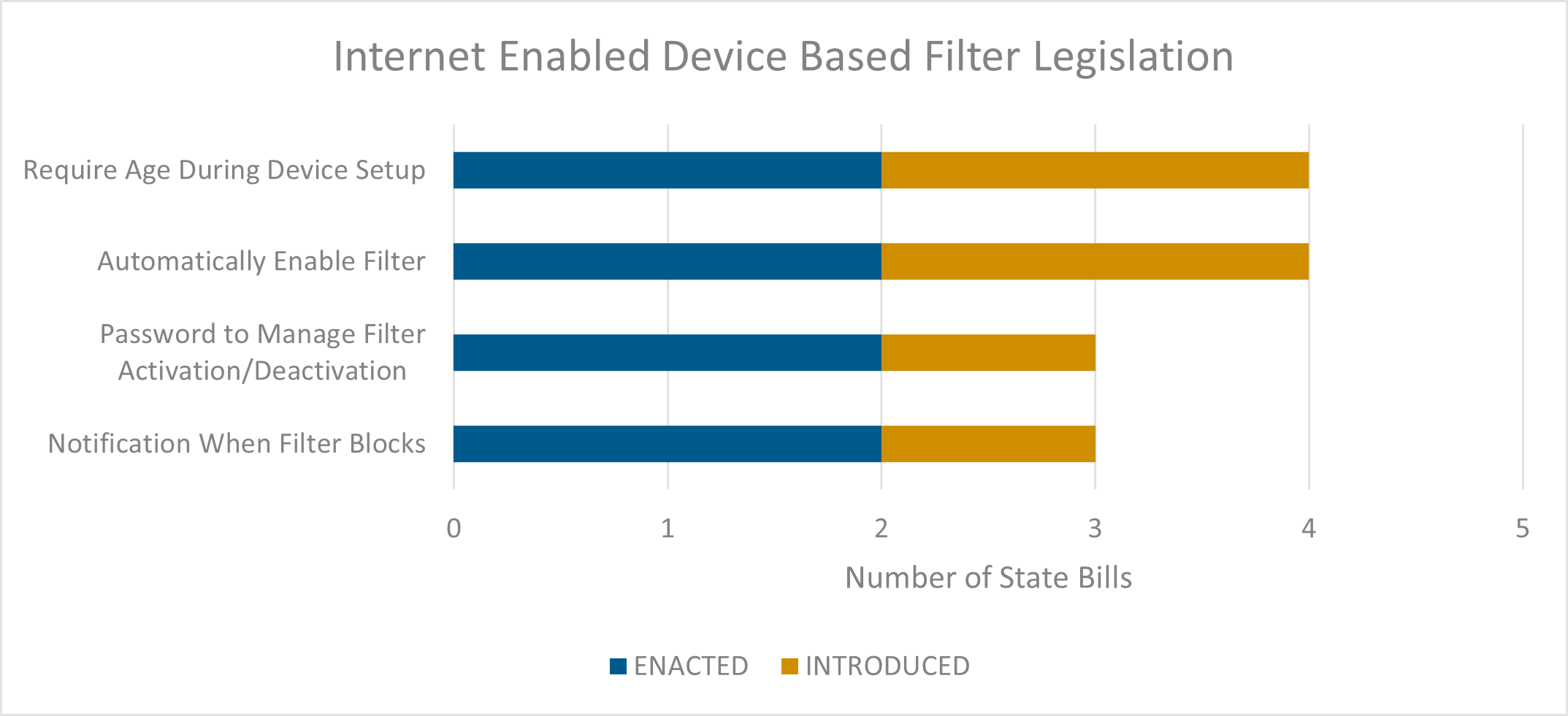
- Device-Based Filters: States like Alabama and Utah now require default filters on internet-enabled devices used by minors.
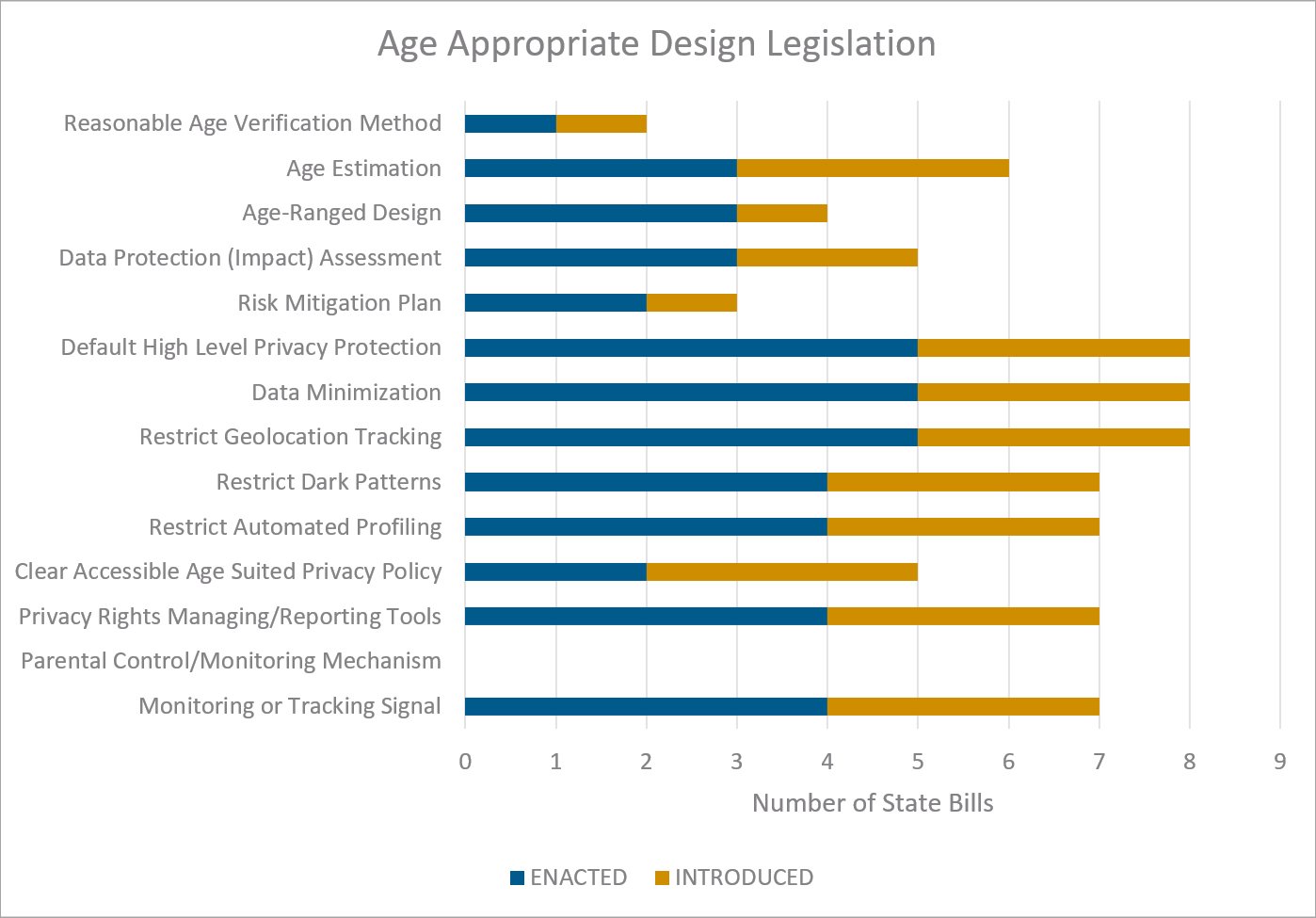
- Age-Appropriate Design Codes: California, Maryland, Nebraska, and Vermont have enacted child-centric platform design obligations limiting profiling, dark patterns, and geolocation; however, California’s law remains under a preliminary injunction, and Maryland’s law is facing a pending legal challenge.
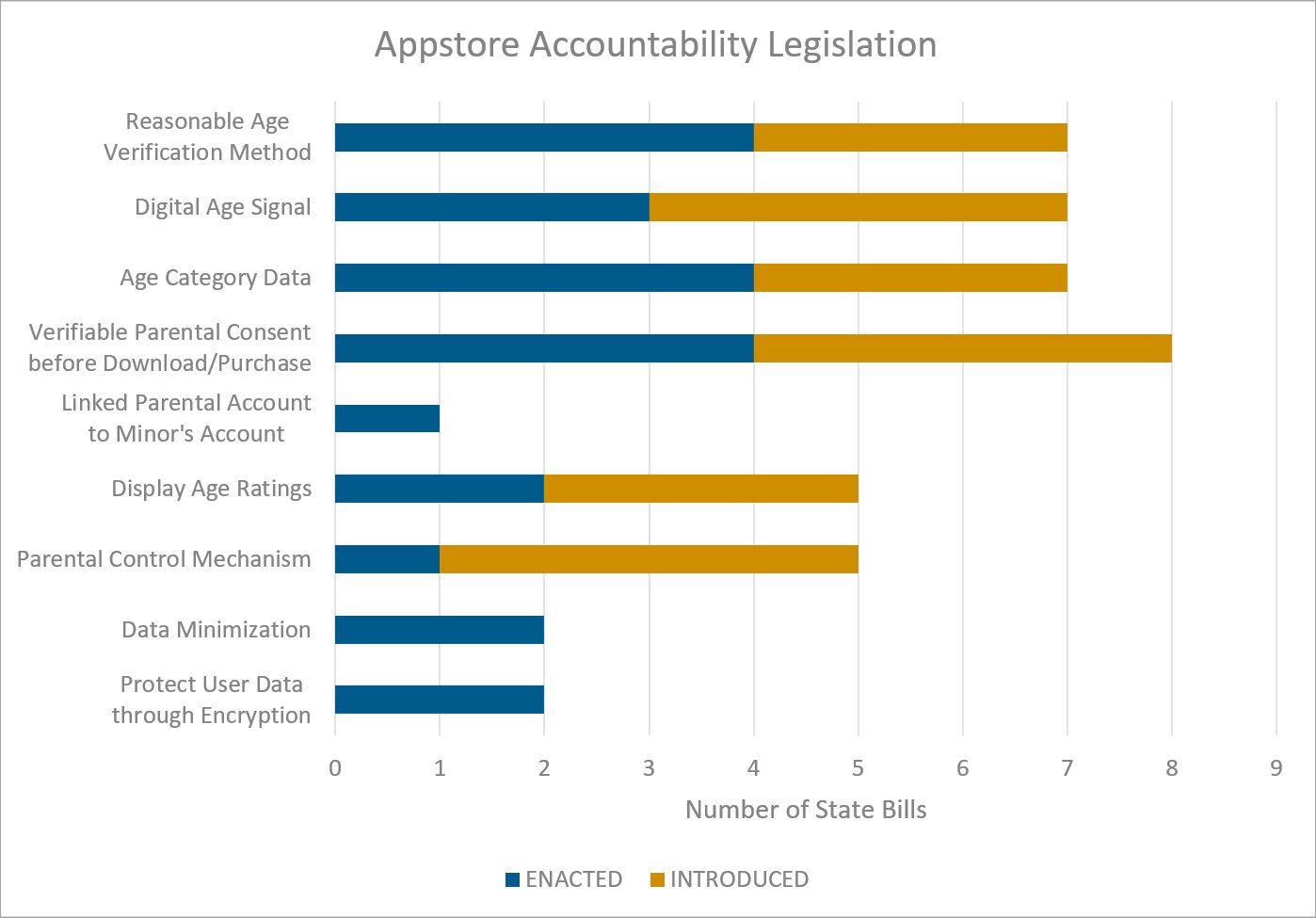
- App Store Accountability: California, Texas, Louisiana, and Utah require app stores to verify users’ ages, obtain parental consent, and display clear age ratings.
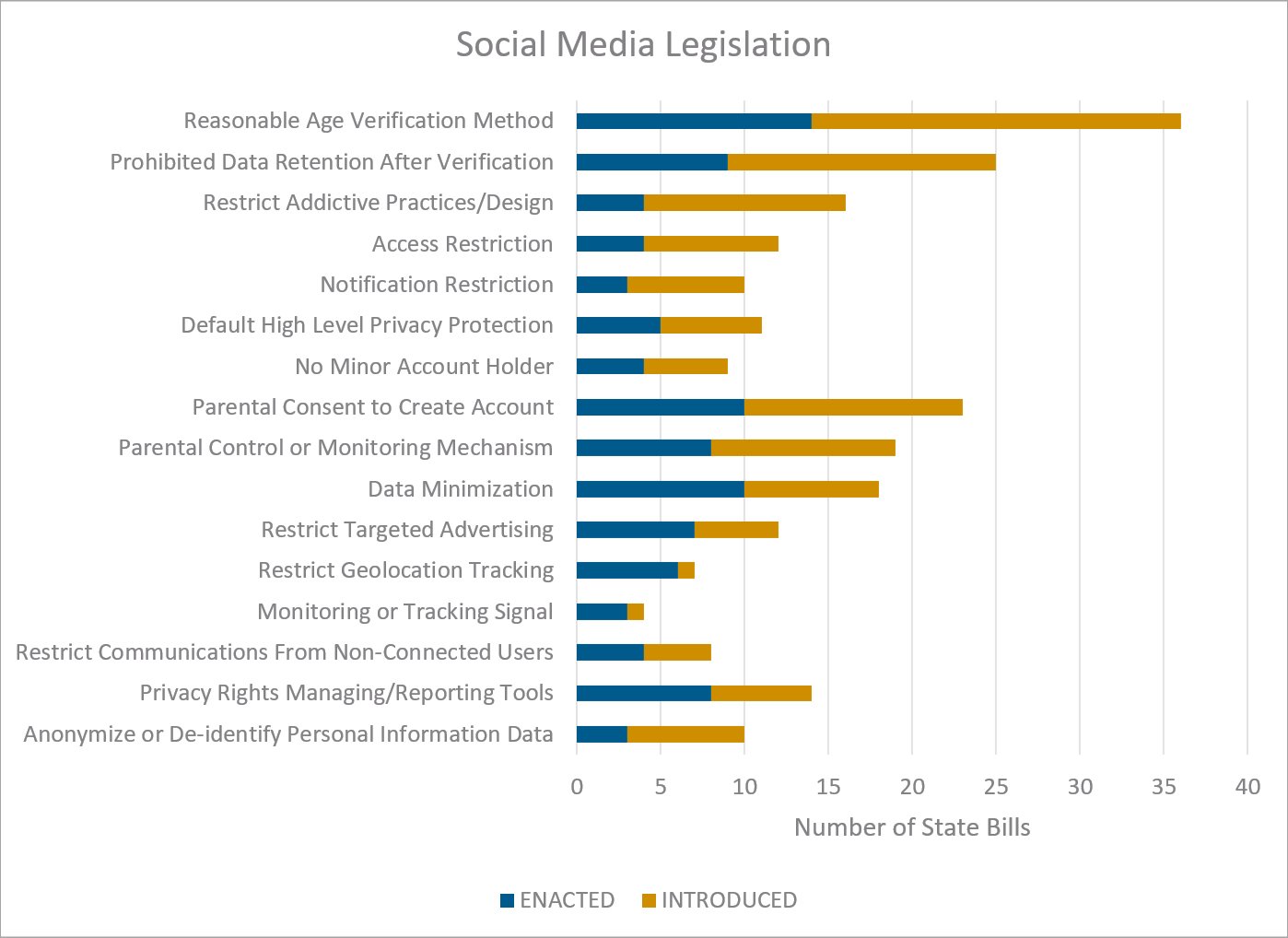
- Social Media Restrictions: 16 states are advancing measures to restrict minors’ access to social media platforms and require parental consent and platform-level age checks.
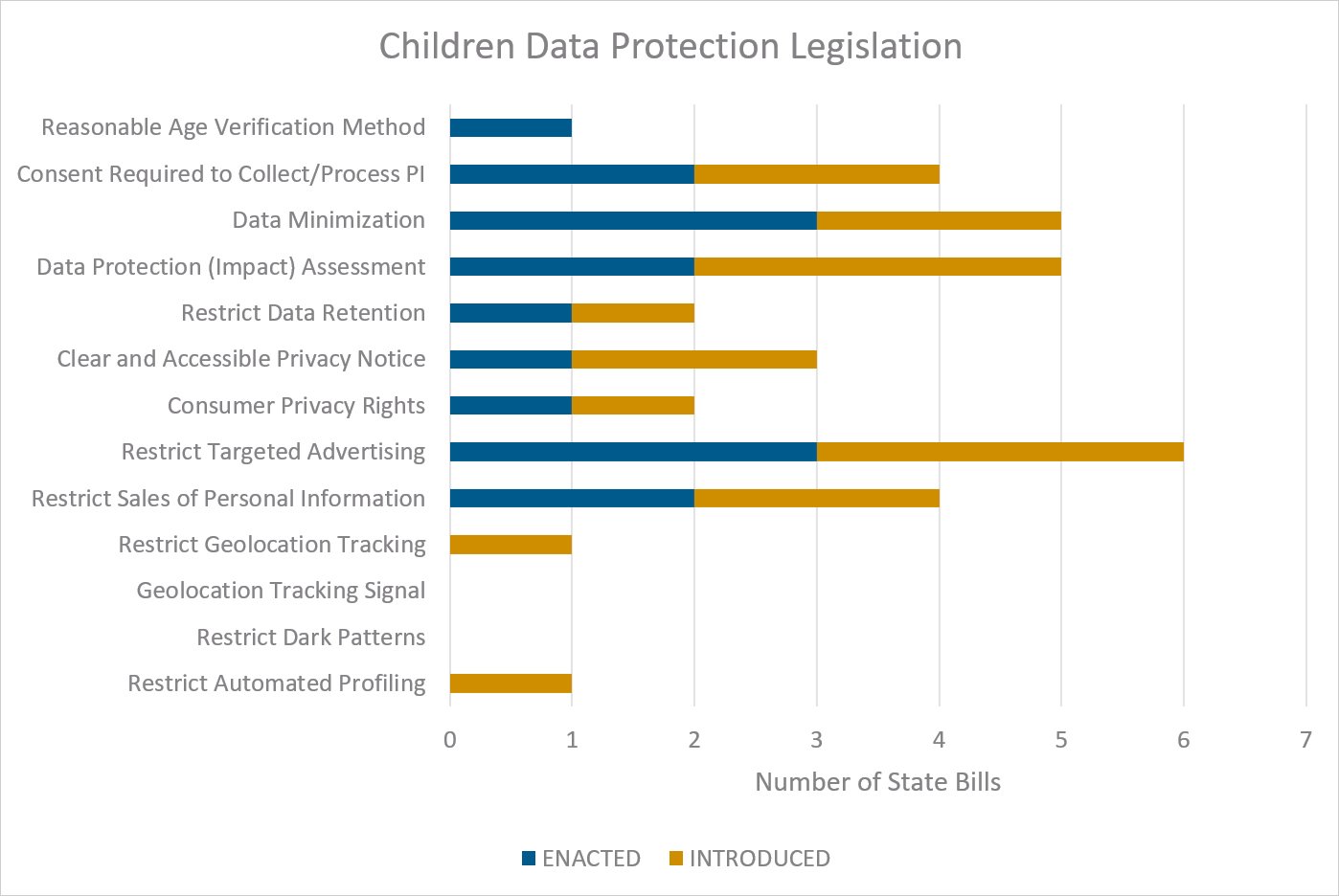
- Children’s Data Protection: Beyond COPPA, states are imposing consent requirements for targeted advertisements and data sales, data minimization and purpose limitation obligations, DPIAs for high-risk processing, restrictions on dark patterns and precise geolocation, recognition of universal opt-out signals, and attorney-general enforcement with per-violation penalties.
Below, we examine the Supreme Court’s ruling in greater detail and highlight insights from our Children’s Privacy Legislature Tracker.
Conclusion
With renewed focus on strengthening children’s privacy laws, businesses may need to consider reassessing and updating their operational processes, particularly in light of the recent COPPA amendments and the FTC’s stated enforcement priorities. The Supreme Court’s ruling enabling states to adopt more robust age-based access limits further underscores the need for businesses offering content that may be unsuitable for minors to evaluate and potentially update their online products accordingly.
Additionally, as states continue to implement these new children’s privacy laws, enforcement authority is increasingly being vested in state attorneys general, who may impose civil penalties ranging from $5,000 to $50,000 per violation. Consequently, businesses subject to these new children’s privacy laws, including social media companies, online platform providers, and other businesses offering online products and services reasonably likely to be accessed by children, should consider establishing appropriate compliance processes, including reasonable age verification measures and mechanisms for obtaining parental consent, to help mitigate enforcement risk. Failure to do so could result in significant operational and financial consequences.

The Future of Children's Privacy: Emerging Developments Every Company Should Watch
Watch Now