2026年8月06日
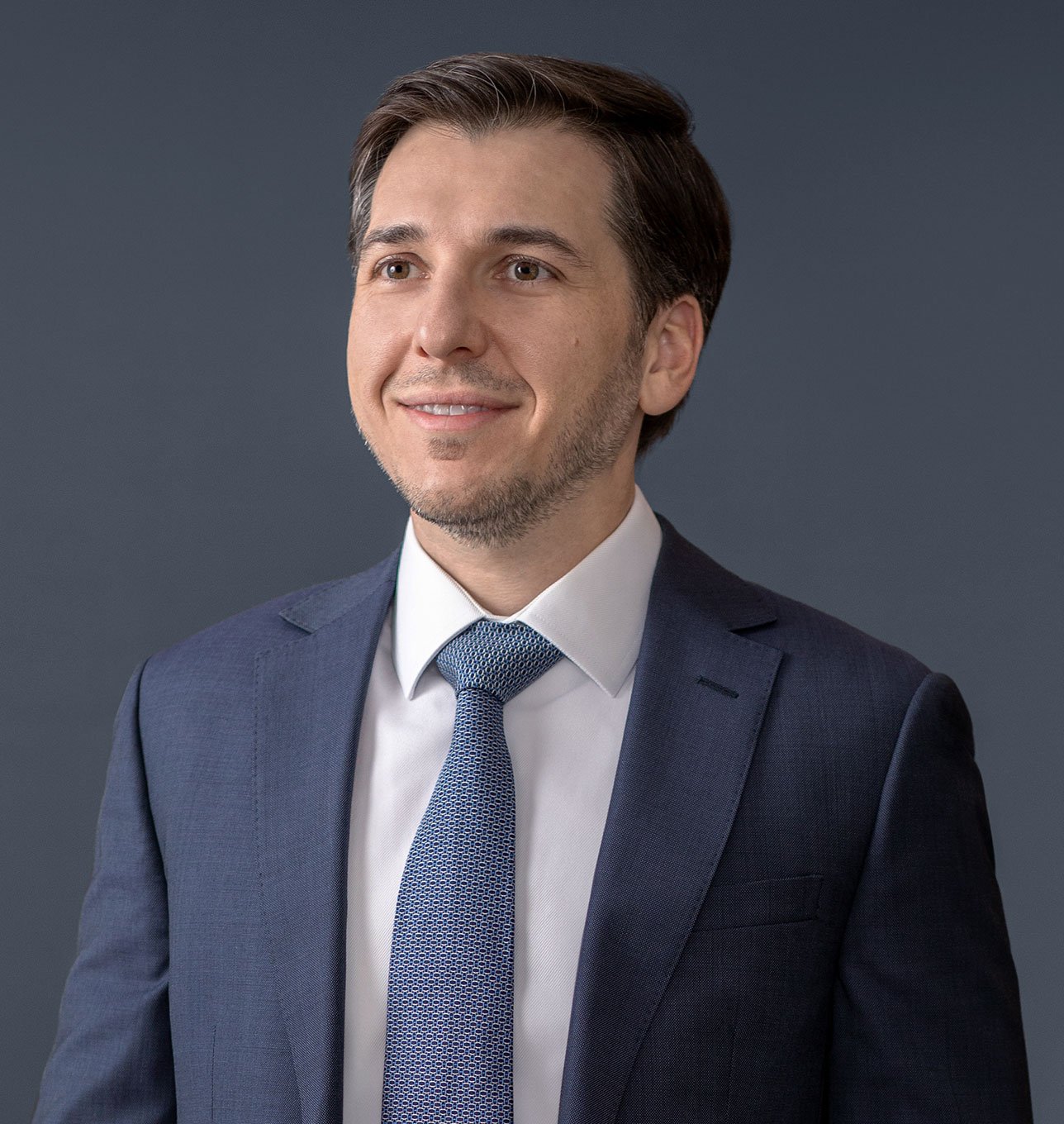
Michel Sancovski Participates in Discussions on Key Compliance Challenges, Corporate Governance, and the Impact of FTO Designations on Companies
The global regulatory landscape has introduced new challenges for compliance programs, corporate governance structures, and internal investigations across companies and financial institutions. In this context, discussions related to risk management and the strengthening of integrity mechanisms have gained even greater prominence, particularly following the recent designation by the United States of Primeiro Comando da Capital (PCC) and Comando Vermelho (CV) as Foreign Terrorist Organizations (FTOs).
This measure has created new implications for organizations with international operations or business relationships, especially regarding risk assessments, third-party due diligence, transaction monitoring, and compliance with sanctions regimes and anti-financial crime regulations. The issue has also drawn significant attention from specialists, regulators, enforcement authorities, and the private sector.
Designation of Criminal Organizations as FTOs: Challenges for Risk Management
Over the past several weeks, Michel Sancovski, partner and co-leader of the Global Investigations & White Collar Defense practice, has contributed to discussions across various forums, sharing insights on regulatory challenges and emerging trends shaping the compliance landscape in Brazil and abroad.
Among the recent initiatives, Michel hosted the event “Beyond Borders: Cartels, Criminal Organizations & Foreign Terrorist Organizations in Latin America” at Mayer Brown’s New York office. The event brought together leading practitioners to discuss the impact of cross-border investigations, the evolution of enforcement priorities, and the implications of designating criminal organizations as FTOs for companies operating in Latin America.
The topic has also been featured in national and international media outlets and industry forums. In interviews with outlets such as Globonews and Law.com, as well as during the webinar “Risks for Companies in U.S. Targeting of Brazilian Criminal Groups”, hosted by Dow Jones Risk Journal, Michel discussed the challenges this new landscape may create for companies and financial institutions. He emphasized the importance of robust compliance programs, effective due diligence processes, and mechanisms capable of identifying, assessing, and mitigating regulatory and reputational risks.
The Evolution of Compliance Programs and Corporate Governance
Beyond the implications arising from the FTO designations, Michel has been closely following broader developments that are reshaping the compliance and corporate governance agenda. In a recent edition of Compliance Talks, which he moderated, specialists discussed how regulatory changes and growing expectations from regulators and enforcement authorities are requiring increasingly sophisticated control frameworks that are fully integrated into business strategies.
The evolution of these requirements was also examined in an article authored by Michel and published in the Banking Law Journal. In the article, he analyzes how compliance standards for the banking sector have become more comprehensive, expanding expectations related to governance, internal controls, corporate integrity, and risk management.
Public Governance and Conflict-of-Interest Prevention Mechanisms
The discussion around integrity and governance also extends to the public sector. In a recent interview with G1, Michel examined legal mechanisms designed to prevent conflicts of interest in public administration and highlighted important differences between the Brazilian and U.S. approaches. According to him, Brazilian legislation adopts a predominantly preventive framework aimed at ensuring that private interests do not improperly influence public officials, even before any economic benefit or harm to the public administration can be demonstrated.
The discussions led by Michel reflect a broader trend observed across multiple markets: the growing need for companies and financial institutions to adopt increasingly sophisticated compliance and governance frameworks capable of addressing a dynamic, globalized, and interconnected regulatory environment. In a landscape characterized by enhanced international cooperation, more rigorous enforcement activity, and heightened regulatory expectations, topics such as risk management, corporate investigations, and integrity remain at the center of organizations’ strategic agendas.
This measure has created new implications for organizations with international operations or business relationships, especially regarding risk assessments, third-party due diligence, transaction monitoring, and compliance with sanctions regimes and anti-financial crime regulations. The issue has also drawn significant attention from specialists, regulators, enforcement authorities, and the private sector.
Designation of Criminal Organizations as FTOs: Challenges for Risk Management
Over the past several weeks, Michel Sancovski, partner and co-leader of the Global Investigations & White Collar Defense practice, has contributed to discussions across various forums, sharing insights on regulatory challenges and emerging trends shaping the compliance landscape in Brazil and abroad.
Among the recent initiatives, Michel hosted the event “Beyond Borders: Cartels, Criminal Organizations & Foreign Terrorist Organizations in Latin America” at Mayer Brown’s New York office. The event brought together leading practitioners to discuss the impact of cross-border investigations, the evolution of enforcement priorities, and the implications of designating criminal organizations as FTOs for companies operating in Latin America.
The topic has also been featured in national and international media outlets and industry forums. In interviews with outlets such as Globonews and Law.com, as well as during the webinar “Risks for Companies in U.S. Targeting of Brazilian Criminal Groups”, hosted by Dow Jones Risk Journal, Michel discussed the challenges this new landscape may create for companies and financial institutions. He emphasized the importance of robust compliance programs, effective due diligence processes, and mechanisms capable of identifying, assessing, and mitigating regulatory and reputational risks.
The Evolution of Compliance Programs and Corporate Governance
Beyond the implications arising from the FTO designations, Michel has been closely following broader developments that are reshaping the compliance and corporate governance agenda. In a recent edition of Compliance Talks, which he moderated, specialists discussed how regulatory changes and growing expectations from regulators and enforcement authorities are requiring increasingly sophisticated control frameworks that are fully integrated into business strategies.
The evolution of these requirements was also examined in an article authored by Michel and published in the Banking Law Journal. In the article, he analyzes how compliance standards for the banking sector have become more comprehensive, expanding expectations related to governance, internal controls, corporate integrity, and risk management.
Public Governance and Conflict-of-Interest Prevention Mechanisms
The discussion around integrity and governance also extends to the public sector. In a recent interview with G1, Michel examined legal mechanisms designed to prevent conflicts of interest in public administration and highlighted important differences between the Brazilian and U.S. approaches. According to him, Brazilian legislation adopts a predominantly preventive framework aimed at ensuring that private interests do not improperly influence public officials, even before any economic benefit or harm to the public administration can be demonstrated.
The discussions led by Michel reflect a broader trend observed across multiple markets: the growing need for companies and financial institutions to adopt increasingly sophisticated compliance and governance frameworks capable of addressing a dynamic, globalized, and interconnected regulatory environment. In a landscape characterized by enhanced international cooperation, more rigorous enforcement activity, and heightened regulatory expectations, topics such as risk management, corporate investigations, and integrity remain at the center of organizations’ strategic agendas.