Blurred Lines: How AI Is Rewriting the Rules of Fraud, Identity, and Defense
- Veronica R. Glick,
- Stephen Lilley,
- Amy Larsen
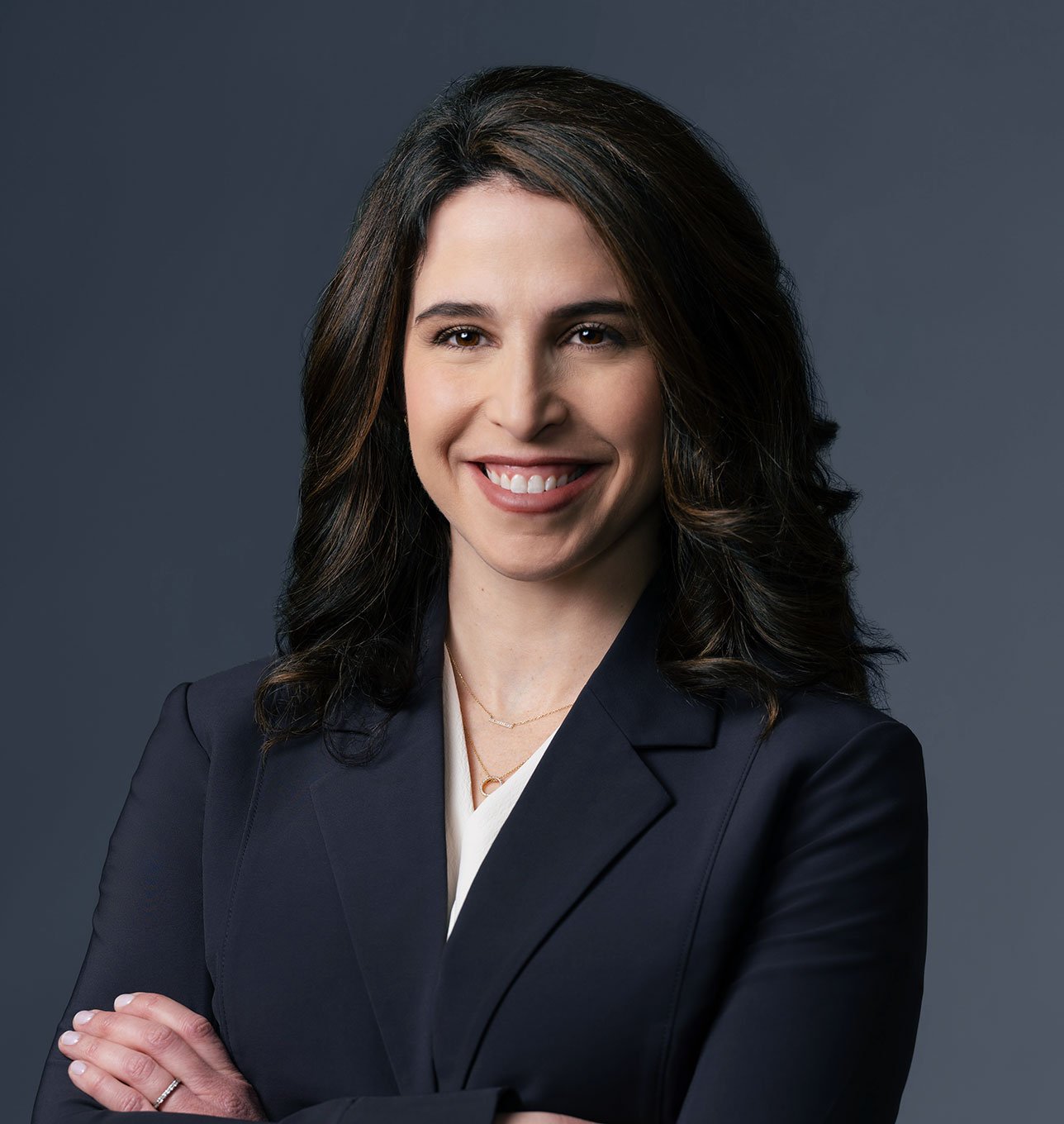
In this episode of AI Security and the Law, hosts Veronica Glick and Stephen Lilley speak with Amy Larsen, a technology policy and national security leader whose work has spanned across government, big law, and major tech companies, including Visa and Microsoft’s Democracy Forward Initiative. They discuss how artificial intelligence is transforming the threat landscape for fraud, scams, cyberattacks, and disinformation – making them faster, cheaper, more personalized, and harder to detect. The conversation covers the blurring lines between attack categories, the rise of agentic AI and its implications for identity verification and liability, and the evolving patchwork of legal and regulatory responses in the U.S. and abroad. Larsen emphasizes that while existing legal frameworks provide a foundation, gaps remain – particularly around authorized push-payment fraud reimbursement, cross-jurisdictional coordination, and multi-agent transaction traceability. She closes with practical guidance for companies and individuals, urging tabletop exercises, crisis preparation, and consistent digital hygiene as essential defenses.
Show Notes:
(00:02) Introduction to AI Security and the Law
(04:40) "AI Security" Blurs Fraud, Scams, Disinfo, Cyberattacks
(06:51) AI Fraud Losses: $15.9B, up 28% YoY
(10:15) Cheap Deepfakes, Real-Time Video, Payment-App Scams
(13:13) AI Empowers Amateurs and Organized Crime Alike
(15:00) Agentic AI Challenges Delegated Authority and Liability
(22:22) Policy Gaps in Reimbursement, Enforcement, State Definitions
(27:04) Tabletop Exercises, MFA, Phishing Awareness, LE Relationships
Subscribe
Listen to more episodes of AI Security and the Law.
AI Security and the Law is also available on the following podcast services for your subscription convenience.