
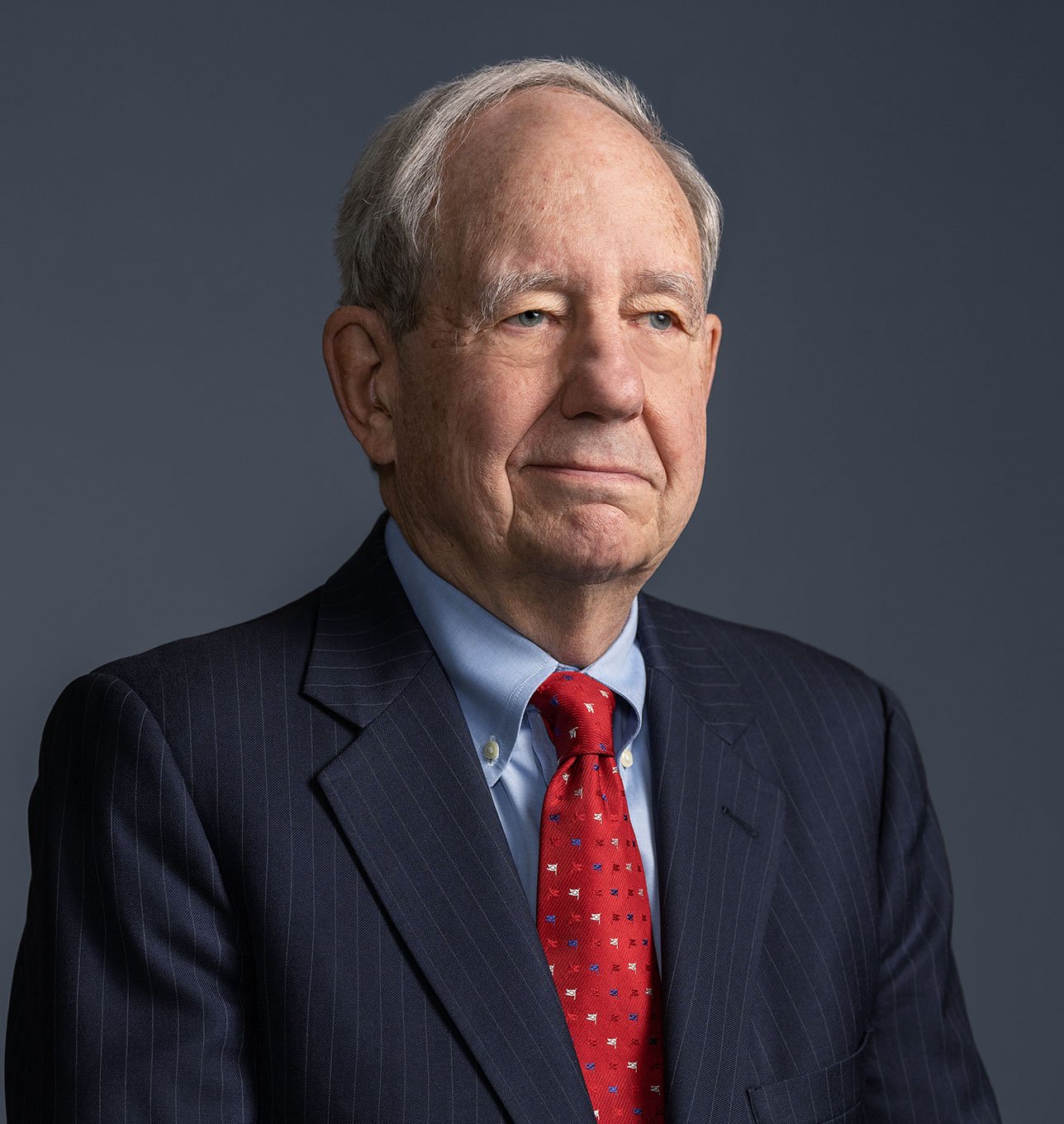
Senior Counsel
John R. Schmidt
Projects & Infrastructure, Financial Services M&A, Infrastructure Investment
Overview
John Schmidt’s practice in recent years has focused on public private partnerships for US infrastructure and he was selected by the Financial Times in 2010 as one of America's 10 leading "innovative lawyers" for his work on pioneering US infrastructure transactions. He was counsel to the City of Chicago in the privatization of the Chicago Skyway Toll Bridge for $1.83 billion, the first privatization of an American toll road or toll bridge, and was named "Dealmaker of the Year" by the American Lawyer for his work on that transaction. He later represented the State of Indiana in the $3.8 billion privatization of the Indiana Toll Road, the largest infrastructure transaction in US history; and he represented the Puerto Rican government in its 40-year lease agreement to privatize Luis Muñoz Marín International Airport in San Juan, the first privatization of a major American airport. He has represented a wide variety of other public and private entities in large-scale transactions involving the operation and development of US infrastructure.
Education
- Harvard College, BA, magna cum laude
- Harvard Law School, JD, cum laude
Editor, Harvard Law Review
Admissions
- Illinois
Professional & Community Involvement
- Member, boards of Illinois Council Against Handgun Violence, the Northwestern Center for Human Rights and the National Forum on Crime and Justice
- National Steering Committee, Campaign for Harvard Law School
- Chairman, Metropolitan Pier and Exposition Authority, 1989-1994
- Transition Chair and Chief of Staff to Mayor Richard M. Daley, 1989
- Chairman, Citizens for Court Reform, 1988-1992
- Chairman, Illinois Guardianship and Advocacy Commission, 1980-1982
- Chairman, Editorial Board, Chicago Lawyer, 1978-1988
- President, Chicago Council of Lawyers, 1974-1976
- Member, Governor's Commission to Revise the Mental Health Laws, 1972-1976
- Chairman, Board of Overseers, IIT Chicago-Kent Law School, 1998 to date
- Life Trustee, Chicago Symphony Orchestra
- Trustee, Illinois Institute of Technology, 1989-1993, 1998 to date